




Solutions for Sustainable Aviation
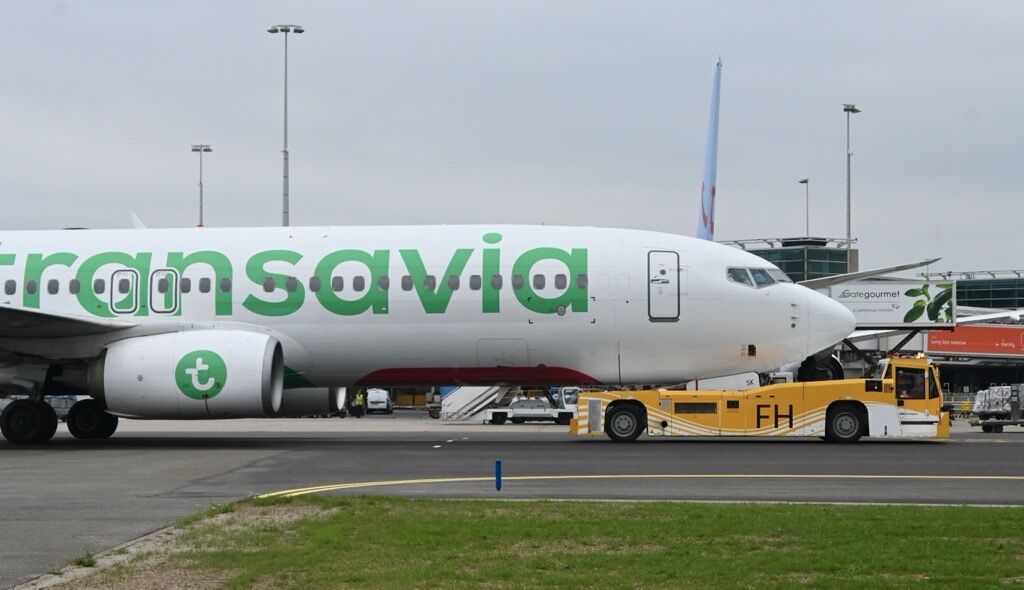
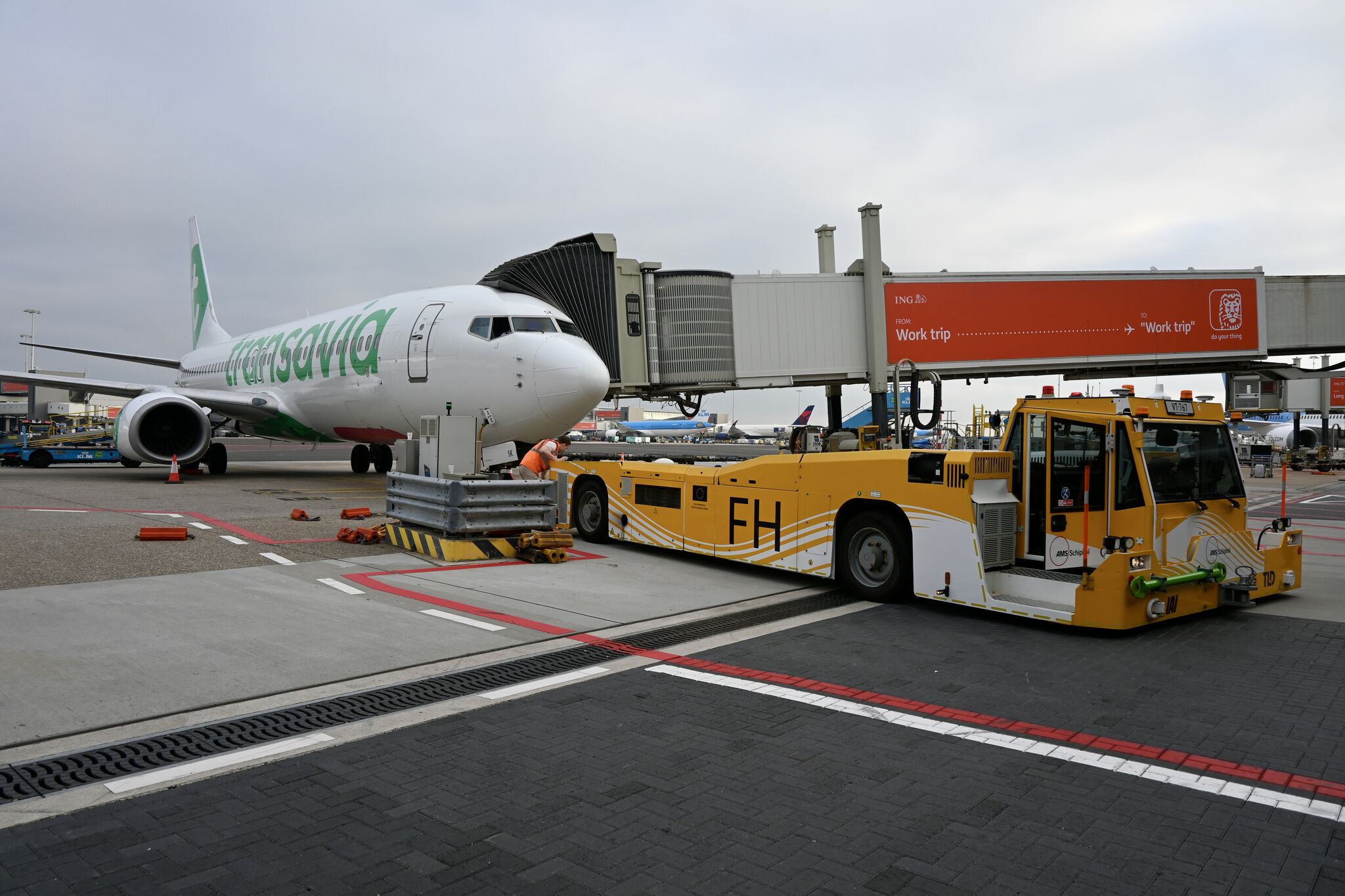
Transavia Completes First TaxiBot Flight at Schiphol
Transavia Completes Its First Commercial Flight Supported by TaxiBot at Amsterdam Airport Schiphol
On 17 July 2026, Transavia successfully completed its first commercial flight supported by TaxiBot operations at Amsterdam Airport Schiphol. This milestone represents another important step in the deployment of more sustainable aircraft taxiing at one of Europe’s largest aviation hubs.
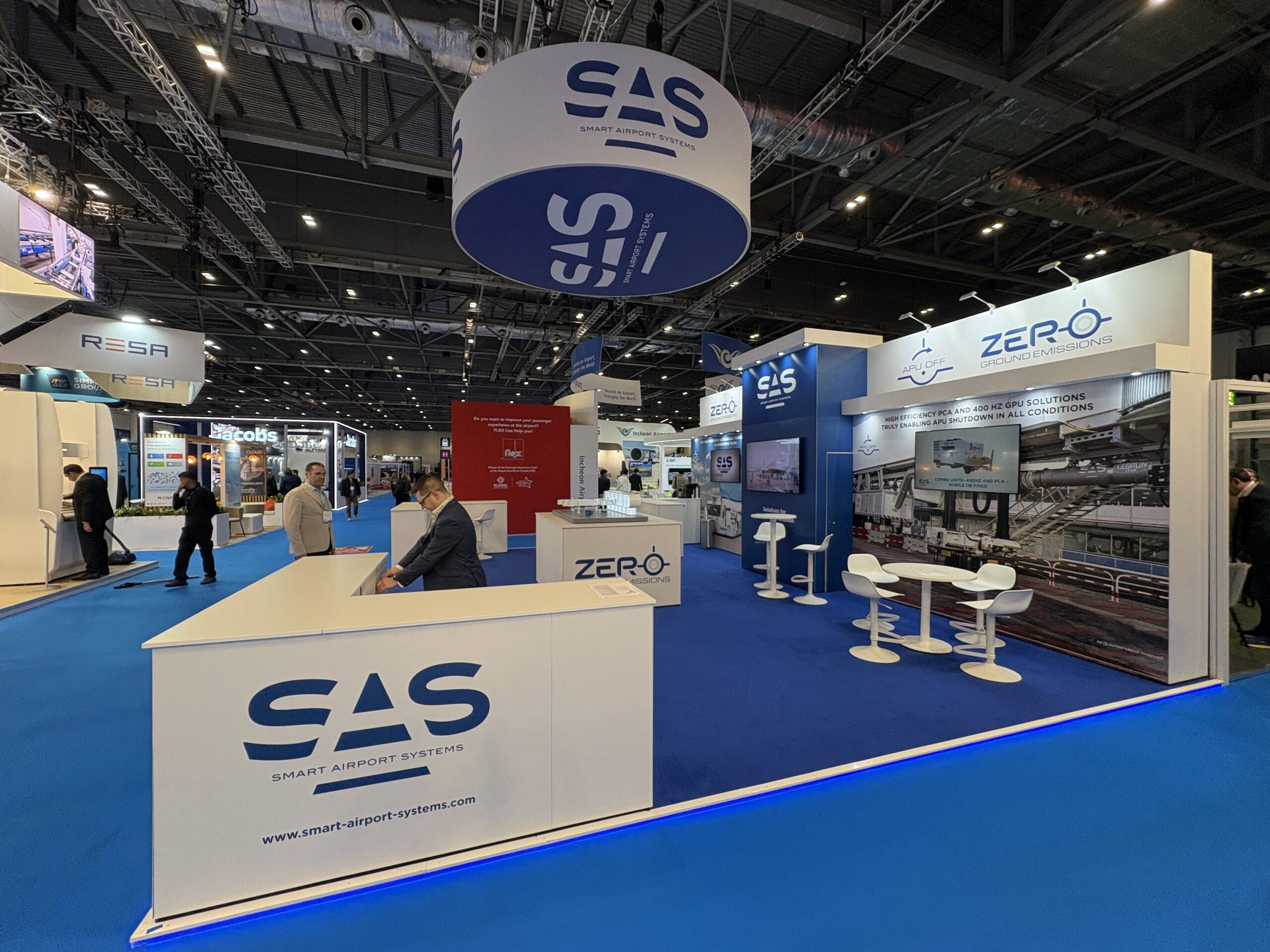
The operation was made possible through close collaboration between Transavia, Amsterdam Airport Schiphol, LVNL, ground handling partner Viggo and Smart Airport Systems, the TaxiBot provider. It brought together the operational expertise of the airline, airport, ground handler and technology provider to integrate TaxiBot safely and efficiently into daily airport operations.
More sustainable aircraft taxiing with TaxiBot
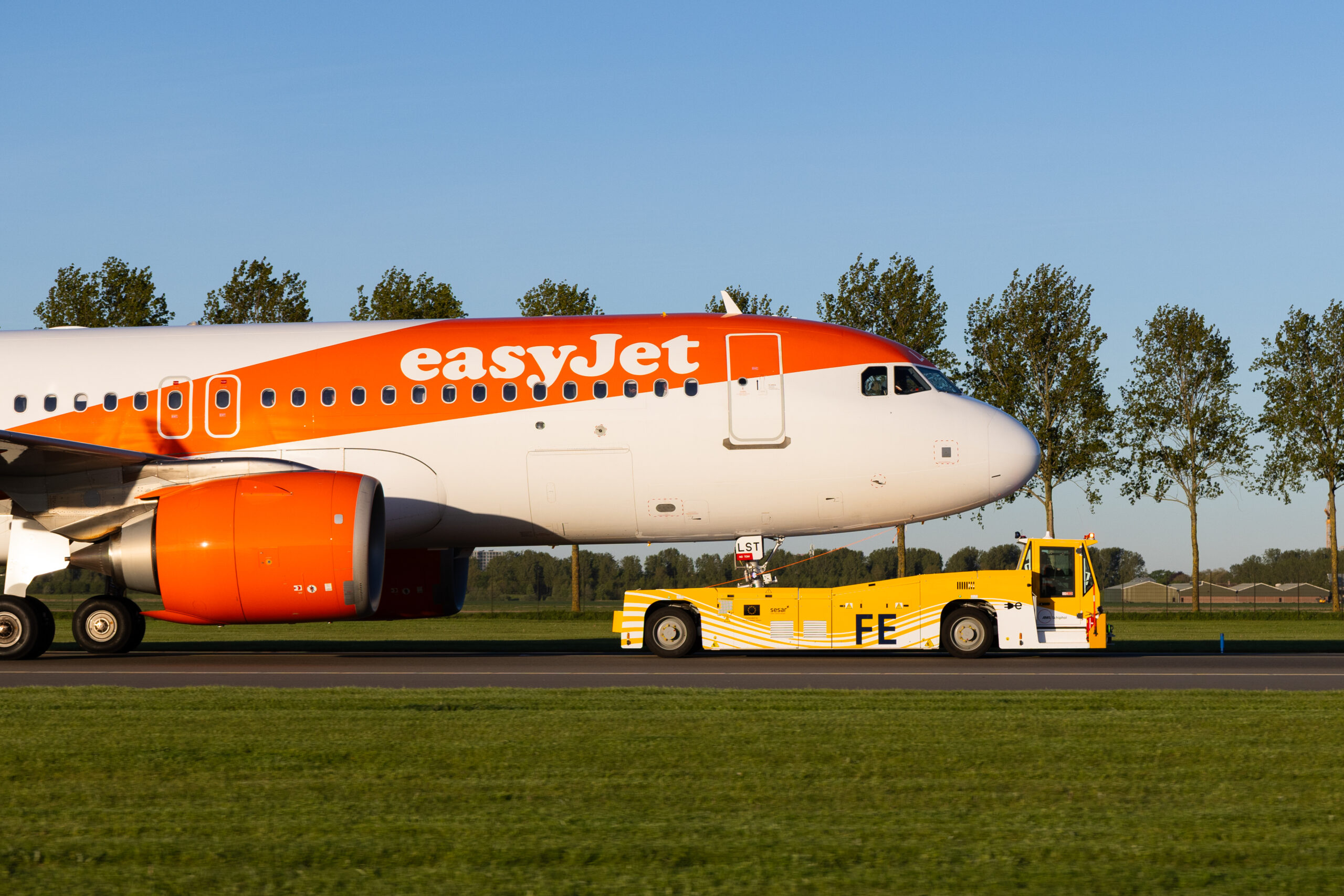
TaxiBot is a semi-robotic, pilot-controlled aircraft towing system designed to move aircraft between the gate and the runway while keeping their main engines switched off for most of the taxi-out phase.
After pushback, the pilot controls the aircraft and TaxiBot directly from the cockpit using the aircraft’s standard steering and braking controls. The engines are only started closer to the runway, in accordance with the required warm-up time before take-off.
By reducing the use of aircraft engines on the ground, TaxiBot helps airlines lower fuel consumption as well as CO₂, NOx and fine and ultrafine particle emissions. According to Schiphol, fuel savings during applicable TaxiBot operations can reach up to 65%.
A successful first operation for Transavia
This first commercial Transavia operation demonstrates how TaxiBot can be integrated into Boeing 737 operations without changing the way the pilot controls the aircraft during taxiing.
The milestone also reflects the importance of cooperation across the entire airport ecosystem. Transavia provided the aircraft and airline operational expertise, Schiphol supported the integration into the airport environment, Viggo contributed its ground-handling expertise, and Smart Airport Systems provided the TaxiBot technology and operational support.
Together, the partners successfully delivered Transavia’s first step towards engine-off taxiing at Schiphol.
Supporting Schiphol’s sustainable taxiing ambitions
TaxiBot operations at Schiphol currently focus on departures using the Polderbaan, where the long taxiing distance creates significant opportunities to reduce aircraft fuel consumption and ground emissions.
The introduction of Transavia into the TaxiBot programme is another milestone in Schiphol’s ambition to expand sustainable taxiing and reduce avoidable emissions from aircraft ground movements.
Following this successful first mission, the partners will continue working together to progressively integrate TaxiBot into regular operations and increase the number of flights benefiting from engine-off taxiing.
For Transavia, this was the first TaxiBot-supported commercial flight at Schiphol — with much more to come.
Discover how TaxiBot enables more sustainable aircraft taxiing.